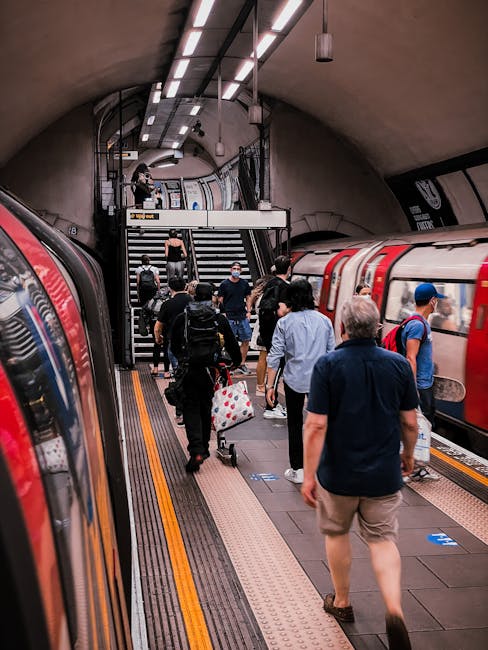
Removals for Belsize Park Station NW3 small street moves: a practical local guide
If you are planning Removals for Belsize Park Station NW3 small street moves, you already know this is not the same as a straightforward suburban house move. Streets can be tight, parking can be awkward, and even a short hop can become a surprisingly fiddly job if you do not plan it properly. That is especially true around Belsize Park Station, where the mix of flats, terraces, narrow roads, and regular local traffic means every metre matters.
This guide breaks the process down in plain English. You will learn how small street moves usually work, what makes this area different, where people often run into trouble, and how to make the whole thing calmer and more efficient. It is written for anyone moving a flat, a studio, a few heavy items, or just a small load a short distance within NW3. Let's face it, sometimes the toughest part of a move is not the lifting. It is the planning.
Table of Contents
- Why Removals for Belsize Park Station NW3 small street moves matters
- How Removals for Belsize Park Station NW3 small street moves works
- Key benefits and practical advantages
- Who this is for and when it makes sense
- Step-by-step guidance
- Expert tips for better results
- Common mistakes to avoid
- Tools, resources and recommendations
- Law, compliance, standards, or best practice
- Options, methods, or comparison table
- Case study or real-world example
- Practical checklist
- Conclusion
- Frequently asked questions
Why Removals for Belsize Park Station NW3 small street moves Matters
Small street moves sound simple on paper. A few boxes, a sofa, a bed frame, maybe a desk, and you are done. But around Belsize Park Station, the setting changes the picture. You are dealing with a dense part of London where access can be narrow, parking is limited, and timings matter more than most people expect.
That is why a focused removal plan matters. A short-distance move in NW3 can still involve careful route choice, precise arrival timing, and the right vehicle size. If the van is too large, you may waste time shuffling position or blocking access. If it is too small, you end up doing multiple trips. Neither is ideal when your building has shared entryways, stairwells, or busy neighbours trying to get past with a pram or a shopping trolley.
There is also the human side. Small moves often happen during transitional moments: changing flats, downsizing, starting university, moving closer to work, or separating from a shared household. These are not just logistics jobs. They are life moments, and the move should support the day rather than dominate it.
If you are still weighing up the broader moving landscape in the area, it can help to explore removal services in Belsize Park and see how different support levels fit different move types. For local background too, the post on what residents say about living in Belsize Park gives useful context on the area's day-to-day rhythm.
How Removals for Belsize Park Station NW3 small street moves Works
A well-run small street move usually follows a tidy sequence. First, the mover assesses the load size, property access, and travel distance. Then they choose the right vehicle and plan the loading order. After that, the team handles packing support, protective wrapping, safe lifting, transport, and unloading in the correct order at the destination.
For this part of NW3, the access review is often the most important step. You need to think about whether the van can stop close enough to the property, whether there is a single-lane street, whether there are timed restrictions, and whether a long carry from the kerb is likely. A move that looks like "just round the corner" can still need the same care as a longer job.
In practice, many people use a man with a van in Belsize Park or a compact removal van for these smaller relocations because it gives them flexibility without overcommitting to a large crew. That is especially handy if you are moving from a one-bedroom flat, a shared house, or a few bulky pieces of furniture.
Where specialist items are involved, the process becomes more deliberate. For example, a piano needs a completely different level of handling, and the local page on piano removals in Belsize Park explains why experience and equipment matter more than brute strength. Truth be told, a piano move is never the moment to improvise.
Here is the basic flow most small street moves follow:
- Initial assessment of items, access, and timing.
- Choosing the right vehicle and number of movers.
- Packing and wrapping fragile or awkward pieces.
- Careful loading in a logical, stable sequence.
- Transport through the local streets with minimal delay.
- Unloading, placement, and basic reassembly if included.
That sequence sounds simple. The skill is in the detail.
Key Benefits and Practical Advantages
When a small move is planned properly, the advantages are immediate. You save time, reduce stress, and usually spend less than you would on a larger, less targeted service. You also reduce the chance of damage, neighbour complaints, and those awkward last-minute delays that happen when a vehicle cannot get near the building.
One of the biggest benefits is speed. If the move is local and well-organised, you can often complete everything in a narrow window rather than losing most of the day. That matters when you are trying to hand keys back, meet a landlord, or arrive before evening building access cuts off. A short, neat move can feel oddly satisfying, almost like ticking off a job before lunch and suddenly breathing again.
Another advantage is control. Small moves usually give you the chance to keep the essentials in view. You know where the boxes are, which items need special care, and what has to be unloaded first. That is useful if you are moving into a flat with limited storage, because you can place items in order rather than piling everything in the hallway. Nobody wants that hallway mountain. No one.
There is also flexibility. A modest move can be tailored around your schedule, your stair access, your building rules, and your budget. If you need help with packing as well, you can look at packing and boxes in Belsize Park to get a better sense of how to prepare fragile or awkward items before the van arrives.
Finally, local knowledge genuinely helps. Movers who already understand the streets near Belsize Park Station are more likely to anticipate awkward loading bays, turning points, and busy pedestrian areas. That saves time and, frankly, a fair bit of frustration.
Who This Is For and When It Makes Sense
This kind of move is ideal for people whose relocation is more about access and efficiency than volume. If you are moving a small flat, a studio, a few rooms' worth of belongings, or a couple of large items, a small street move is often the best fit. It is also suitable if you are not moving far but need the right help to navigate a difficult location.
Typical scenarios include:
- Students moving between rented rooms or flats.
- Tenants changing properties within NW3.
- People downsizing and taking only selected furniture.
- Professionals moving closer to transport links.
- Flat sharers splitting belongings into separate homes.
- Anyone collecting or delivering a few heavy, awkward items locally.
It also makes sense if you value practicality over a full-scale service. A lot of people do. If you do not need a large lorry or a full team, there is little point paying for one. On the other hand, if the move includes a sofa, bed, dining table, and several fragile boxes, a compact but properly equipped team may still be the smarter option than trying to manage it yourself.
For students in particular, the service page on student removals in Belsize Park is worth a look because it reflects the usual realities of short leases, tight deadlines, and limited loads. And if you are moving a whole flat rather than just a handful of items, flat removals in Belsize Park may suit your needs more closely.
Step-by-Step Guidance
Here is the practical version. No fluff, just the moving parts you actually need to think about.
- List everything you are moving. Be honest here. The hidden items matter: lamps, mirrors, under-bed storage, kitchen bits, printer, plant pots, the random chair you keep meaning to repair.
- Measure the awkward things. Sofas, mattresses, wardrobes, and desks can all cause grief if they are larger than expected. Measure doorways too, not just the furniture.
- Check access from the property to the van. Stairs, lifts, entry codes, narrow entrances, and distance from the curb all affect timing.
- Choose the right vehicle size. A van that is too large or too small creates unnecessary trouble. Better to match the load to the street.
- Separate delicate items early. Glass, electronics, artwork, and anything sentimental should be packed and labelled before the heavier boxes go in.
- Plan the load order. Heavy and stable pieces go in first; fragile items and loose boxes are secured around them. Simple idea, big difference.
- Confirm timing around the local streets. Morning, midday, and late afternoon can all feel very different around a busy station area.
- Prepare the old and new property. Clear hallways, protect floors if needed, and keep keys, documents, and essentials separate.
- Do a final sweep. Check cupboards, lofts, charging cables, windows, and storage areas before the van leaves. People forget the smallest things when the clock is ticking.
If the day is tight, a same-day removals option in Belsize Park can be useful, though it works best when the load is already organised. Same-day help is a rescue line, not a substitute for planning.
Expert Tips for Better Results
After enough small moves, the patterns become obvious. The smooth ones all share the same habits: clarity, restraint, and a bit of local realism.
Start earlier than you think. Not the whole move, just the decision-making. If you are moving from a street near the station, the loading plan should be finalised before the morning of the move. That one habit prevents a lot of "we'll just see how it goes" chaos.
Use colour or written labels. Keep labels simple: kitchen, bedroom, fragile, essentials. Overlabelling gets messy, but no labelling at all is worse. In a hurry, everyone suddenly forgets which box contains the kettle. It happens all the time.
Protect corners and edges. Doorframes, table legs, mirrors, and stair edges are the usual trouble spots. A small amount of wrapping or padding often prevents damage that would be much more annoying later.
Keep an essentials bag with you. Keys, charger, medication, snacks, water, documents, and a change of clothes should stay separate. You do not want to be hunting through ten boxes for a toothbrush at 10pm.
Use the move as a reset. If you are already unpacking, take the chance to declutter the things you never use. That old lamp may have sentimental value, but if it has been in a cupboard for four years, maybe it is time.
For broader decisions about whether to hire a larger team or keep things lean, the page on services overview gives a helpful high-level sense of what different support levels typically cover. And if you are weighing up movers in general, movers in Belsize Park is a useful point of comparison.
Common Mistakes to Avoid
The most common mistakes are rarely dramatic. They are small judgement slips that snowball. That is the annoying part.
- Underestimating how long packing takes. Small loads still take time if every item needs wrapping.
- Ignoring access details. A move can go from easy to awkward very quickly if parking turns out to be tighter than expected.
- Using the wrong vehicle size. Too much space creates wasted cost; too little creates repeated trips.
- Leaving fragile items unmarked. If it breaks, everyone suddenly wishes the label was there.
- Forgetting building rules. Some buildings have quiet hours, lift booking requirements, or restrictions on loading. Check early.
- Trying to move heavy items without help. Back strain and dropped furniture are not worth the risk.
There is also a quieter mistake: choosing a mover purely because they sound cheap. Low headline prices can be misleading if they do not include the right vehicle, proper handling, or adequate protection. If you want a clearer view of what fair pricing tends to look like in practice, pricing and quotes is the better place to begin.
Another one people forget is proper customer protection. If you are booking a service and want to understand the company's approach to handling issues, the complaints procedure page is worth reading. It is not thrilling reading, admittedly, but it tells you how seriously a provider takes accountability.
Tools, Resources and Recommendations
You do not need a warehouse of equipment for a small street move, but a few tools make a big difference.
- Strong boxes in mixed sizes for books, kitchen items, clothes, and mixed household goods.
- Furniture blankets or padding to reduce scratches and dents.
- Tape, labels, and marker pens to keep everything organised.
- Bagged screws and fixings for beds, shelves, and tables that need reassembly.
- Basic trolley or straps if there are awkward items and a longer carry involved.
- Floor protection if the weather is wet or the building entrance is delicate.
For people who prefer a lighter-touch move, the page on removal van options in Belsize Park can help you think through vehicle choice. If you need something a bit more hands-on and personal, man and van in Belsize Park is often the more practical fit.
And if you are comparing removal firms generally, the guide to removal companies in Belsize Park can help you judge the difference between a broad service and a smaller, more flexible setup.
Law, Compliance, Standards, or Best Practice
For small moves, the main compliance issues are usually practical rather than bureaucratic. Still, the provider should work in line with normal UK expectations around road safety, insurance, lifting practices, and customer data handling. You do not need a legal lecture, just a sensible standard of care.
Best practice usually includes:
- Using suitable vehicles and load restraint.
- Protecting items during handling and transport.
- Respecting building access rules and parking constraints.
- Keeping communication clear about timing and responsibilities.
- Handling customer information carefully and confidentially.
If a move involves stairs, heavy furniture, or awkward lifting, safe handling matters. A provider should be able to explain how they reduce risk rather than brushing it aside. That reassurance is worth more than a flashy promise. For a closer look at how a mover frames this, the pages on insurance and safety and health and safety policy are the most relevant references here.
If you want to understand how the company handles payment data and general trust signals, payment and security is also useful. It is a sensible thing to check before paying a deposit or confirming a booking.
For socially responsible operations, some readers also like to see a clear stance on modern working standards and sustainability. That is why pages such as recycling and sustainability and modern slavery statement can help build confidence, even if they are not the first pages people think of when booking a move.
Options, Methods, or Comparison Table
Choosing the right move method is often about matching the load, the street, and the level of help you actually need. Here is a simple comparison.
| Move type | Best for | Strengths | Trade-offs |
|---|---|---|---|
| Man and van | Small loads, short local moves, flexible timing | Quick, adaptable, usually cost-effective | Less suitable for very heavy or high-volume moves |
| Small removal van with extra support | Flats, furniture, mixed household items | Better structure and handling for more awkward loads | May cost more than a basic van-only option |
| Full removal service | Busy homes, complex access, larger inventories | More hands, more protection, less pressure on you | Can be more than you need for a tiny local move |
| Same-day move | Urgent relocations or last-minute gaps | Fast turnaround and convenience | Less planning time, so preparation becomes critical |
If you are moving only a few items and the access is straightforward, a smaller option is usually the sweet spot. If the move includes furniture disassembly, fragile pieces, or a building with awkward access, a fuller service may be the safer choice. There is no prize for overcomplicating it.
Case Study or Real-World Example
Here is a realistic example. A tenant moving from a top-floor flat near Belsize Park Station needed to shift a bed, a small sofa, two shelving units, and about a dozen boxes into another NW3 flat only a short distance away. On paper, this was a small move. In practice, the upstairs access, the narrow street, and the limited unloading space made it a bit more involved.
The move went well because the load was pre-sorted, the furniture had been dismantled the night before, and the arrival slot was chosen carefully. The movers used protective blankets, loaded the largest items first, and kept the fragile boxes together rather than scattering them through the vehicle. That saved time on unloading and reduced the risk of damage.
The interesting thing is that the distance barely mattered. What mattered was the access. Once that was understood, the rest became manageable. That is the pattern with these local jobs. The map distance is not the whole story.
It is also common for people in the area to pair a move with local property or tenancy changes. If you are in that stage, the background reading on buying and trading property in Belsize Park and real estate tips for Belsize Park may be useful, especially if your move is tied to a broader home decision.
Practical Checklist
Use this checklist before moving day. It keeps the process grounded.
- Confirm move date, arrival window, and access details.
- Measure large furniture and note any tight doorways or stair turns.
- Pack fragile items separately and label them clearly.
- Disassemble beds or bulky furniture in advance if needed.
- Keep keys, documents, chargers, and medication in one separate bag.
- Book lift access or building permission if your property requires it.
- Check parking and loading arrangements near both addresses.
- Reserve a bit of time for a final walkthrough of both properties.
- Set aside cleaning materials for the final room check.
- Take photos of any existing furniture damage before loading, just in case.
Expert summary: for small street moves near Belsize Park Station, success comes from planning access first, choosing a properly sized vehicle, and packing with enough care that nothing gets rushed at the end. That is the whole game, really. Not glamorous, but effective.
If you are ready to compare options, review the relevant service pages, and make the next step easier, start with the pages that best match your move style: home removals in Belsize Park, furniture removals in Belsize Park, and removals in Belsize Park.
Get a free quote today and see how much you can save.
Conclusion
Removals for Belsize Park Station NW3 small street moves are all about making a local move feel manageable instead of messy. The distance may be short, but the details still matter: parking, access, packing, timing, and choosing the right level of help. Get those things right and the move becomes calmer almost immediately.
What you want is not a dramatic moving day. You want a smooth one. A move where the boxes land where they should, the sofa fits through the door, and you are not standing in the hallway wondering where the kettle disappeared to. Small, local, and properly handled can be a very good thing.
And once the last box is in, there is always that first quiet moment in the new place. A cup of tea. The sound of the street outside. A little sigh of relief. That part is worth planning for too.
Frequently Asked Questions
What counts as a small street move near Belsize Park Station?
A small street move usually means a compact load such as a studio flat, one-bedroom flat, a few pieces of furniture, or a limited number of boxes moved over a short distance. Around Belsize Park Station, access matters just as much as volume.
Is a man and van service enough for this type of move?
Often, yes. If the load is light to moderate and the access is straightforward, a man and van option can be a practical fit. If you have awkward furniture, stairs, or fragile items, you may want a more supported service.
How far in advance should I book?
For planned moves, booking a little ahead is better because it gives you time to check access, pack properly, and avoid rushed decisions. If the move is urgent, same-day support may still be possible, but preparation becomes even more important.
What if parking is difficult near my property?
That is very common in this part of London. The best approach is to explain the access situation early so the mover can choose an appropriate vehicle and arrival plan. A few minutes of honesty upfront can save a lot of stress later.
Do I need help with packing for a small move?
Not always, but it helps if you have fragile items, mixed household goods, or awkward furniture. Good packing reduces damage and makes loading faster. Even a small move benefits from a bit of structure.
Can I move furniture only, without moving the whole flat?
Yes. Many local moves are really furniture-only jobs: a sofa, bed, wardrobe, desk, or piano. These often work best when the mover knows exactly what needs handling and where access may be tight.
What should I do with valuables and documents?
Keep them with you. Passports, contracts, jewellery, laptops, and important paperwork should not go in the van unless you are completely comfortable doing so. A personal bag is usually the safest option.
How do I know if I need a removal van instead of a standard car or taxi?
If the items are bulky, fragile, or too many for a single trip, a removal van is the better choice. A vehicle designed for removals gives you space, protection, and a better loading setup than improvising with a smaller car.
Are there special concerns for flat moves in NW3?
Yes. Flats often involve stairs, shared hallways, lifts, and limited loading space. Those features can slow things down if not planned for, so access details matter a great deal.
What makes a local mover better for this area?
Local experience helps because it means the mover is more likely to understand street layout, timing pressures, and typical access issues around Belsize Park Station. That kind of familiarity can make the move feel much smoother.
Is insurance important for a small move?
Yes, even for smaller jobs. Accidents are rare, but they can happen, especially when moving furniture through tight spaces. It is sensible to ask how the service handles insurance and safety before you book.
What if I only need a move at very short notice?
If your move is urgent, choose a service that offers flexible scheduling and be very clear about what needs moving. Short-notice jobs work best when the load is already packed and access is easy to understand.
How can I keep the move affordable?
Keep the inventory tight, pack well, dismantle bulky furniture if possible, and choose the smallest service that genuinely suits the job. A well-planned small move is usually far more cost-effective than a rushed one.