Haverstock Hill removals Belsize Park packing tips: a practical guide for a calmer move
If you are planning a move around Haverstock Hill or anywhere in Belsize Park, packing can quickly become the part that makes everything feel bigger than it is. Boxes multiply, tape disappears, and suddenly the kettle is in a "safe place" nobody can remember. These Haverstock Hill removals Belsize Park packing tips are here to make the process feel manageable, local, and a lot less chaotic.
This guide focuses on the real stuff: how to pack properly, how to protect fragile items, how to label boxes so they actually help on moving day, and when it makes sense to bring in help. If you are comparing moving options, you may also find it useful to look at home moving support, professional packing and unpacking services, or a flexible man and van option depending on the size of the move.
Let's face it: a well-packed move is rarely glamorous, but it saves time, money, and a lot of muttered frustration on the stairs. And in tight London streets, that matters more than people think.
Quick expert summary: Pack room by room, keep heavy items small, label every box with content and destination room, protect fragile items with enough cushioning, and do not leave essentials until the last minute. Simple, yes. But it works.
Why Haverstock Hill removals Belsize Park packing tips Matters
Packing is not just about getting things into boxes. It shapes the entire moving experience. If you pack badly, you end up with damaged items, missing essentials, poor use of van space, and a move that feels like a rushed relay race. If you pack well, the day is calmer, faster, and far easier to manage.
That matters even more around Haverstock Hill and Belsize Park, where parking can be awkward, access may be tight, and building layouts are often less forgiving than people expect. Narrow hallways, shared entrances, basement flats, top-floor walk-ups, and quick loading windows all reward good planning. The packing decisions you make on Tuesday can save you real time on Saturday morning.
There is also a financial angle. Better packing can reduce the number of boxes, protect items from breakage, and make loading more efficient. For anyone comparing removal services or deciding between a bigger team and a smaller vehicle, organised packing can genuinely change what is practical.
Truth be told, a lot of moving stress comes from uncertainty. People do not know what is in which box, whether their glassware will survive, or whether the sofa will fit through the front door. Good packing takes some of that uncertainty away. Not all of it, obviously, because moving is moving, but enough to make a difference.
How Haverstock Hill removals Belsize Park packing tips Works
The basic principle is straightforward: pack by category, protect by fragility, and label by destination. The trick is doing those three things consistently. One box with loose books, a lamp shade, and five kitchen mugs is the kind of box that causes sighing later.
In practice, the process usually looks like this:
- Sort first. Decide what is coming, what is being donated, what needs recycling, and what can be left behind.
- Pack non-essentials early. Books, spare bedding, seasonal decor, and archive paperwork can usually go first.
- Create a room-by-room system. Keep kitchen items separate from bedroom items, and so on.
- Use proper protection. Cushion fragile items with paper, bubble wrap, towels, or clothing where appropriate.
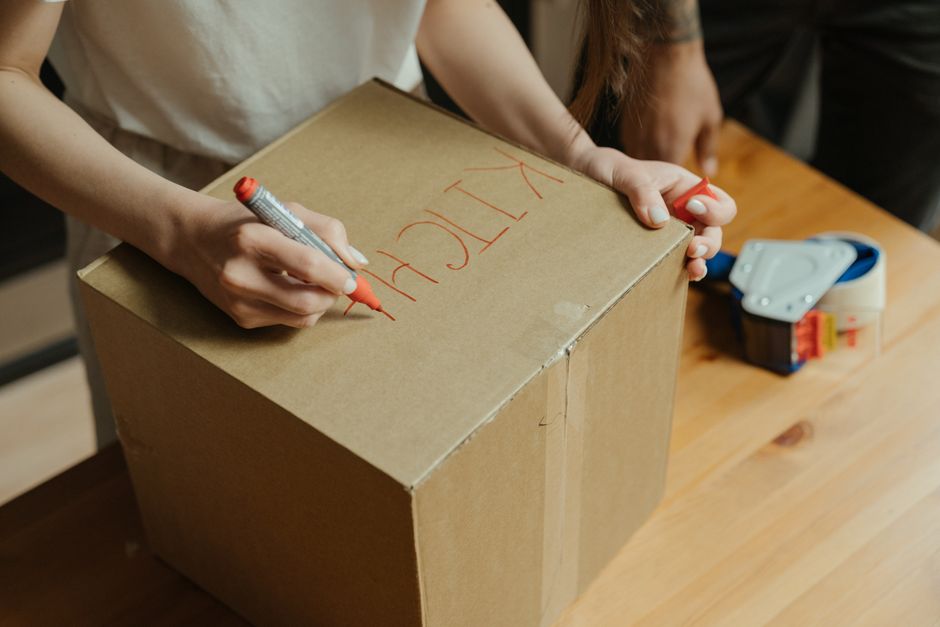
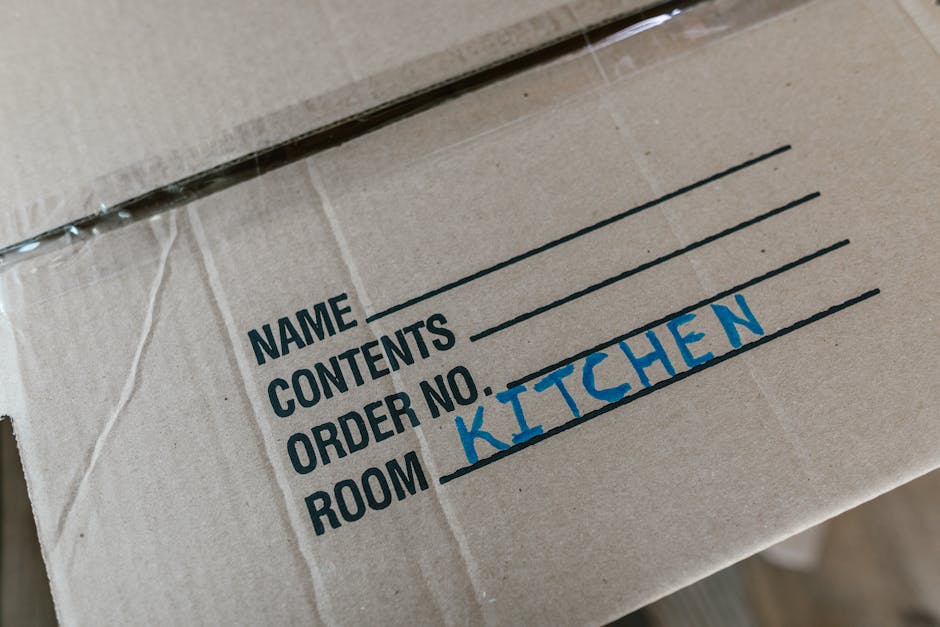
- Label clearly. Write the room, the general contents, and any handling notes such as "fragile" or "this side up".
- Prepare an essentials bag. Keep the items you will need immediately on arrival separate.
If you are using a moving van or a larger moving truck, this structure helps the load go in a logical order. The team can place boxes into the right part of the vehicle and unload them more sensibly at the other end. That sounds small, but on a moving day it feels enormous.
For homes with lots of items or awkward furniture, it can also be worth looking at house removals or speaking to a removal company about the level of packing help available. A good mover will not just carry boxes; they will help you avoid the kind of packing mistakes that turn into damage claims or lost time.
Key Benefits and Practical Advantages
Good packing does more than keep things tidy. It changes the rhythm of the move. Here are the main benefits people actually notice:
- Less breakage: Items are less likely to chip, crush, or split when packed with enough padding and the right box size.
- Faster loading and unloading: Clearly labelled boxes make it easier to place items in the right rooms.
- Better use of space: Boxes stacked by size and weight make vans and trucks easier to load safely.
- Lower stress: When essentials are separated, you are not hunting for toothpaste at 10:30 pm.
- Fewer delays: Well-organised packing reduces the chances of last-minute scrambling on moving day.
- Cleaner unpacking: A sensible system means you can settle in faster rather than living out of random boxes for a week.
There is also the less obvious benefit: confidence. People often feel far more in control once the packing is structured. That calm has a knock-on effect. You communicate better with your movers, you make better decisions, and the whole day tends to run with fewer surprises. Well, fewer surprises of the bad kind.
Who This Is For and When It Makes Sense
These packing tips are useful for almost anyone moving around Belsize Park, but they are especially helpful if you are:
- moving from a flat with limited access or stair-heavy entryways
- working to a tight tenancy handover deadline
- moving with children, pets, or a very full household
- packing fragile items such as glassware, artwork, or electronics
- trying to keep costs under control by doing part of the work yourself
- organising a move after years in the same property, when clutter has quietly taken root
If your move is small and straightforward, a man with van arrangement can be a practical choice. If you are moving a full family home or a lot of furniture, it may make more sense to compare broader removals support or even ask about house movers who can handle packing, loading, and transport together.
This is also relevant for landlords, office managers, and people helping parents downsize. The pattern is the same: when you pack with structure, the move is easier to manage. No mystery there, just experience.
Step-by-Step Guidance
1. Start with a proper sort
Do not pack everything you own just because it exists. Separate items into keep, donate, recycle, and discard. This is the stage where you reduce the load before it becomes cardboard. A quick declutter now means fewer boxes, less lifting, and less unpacking later.
2. Build a packing area
Choose one corner or room as your packing station. Keep tape, markers, scissors, labels, bin bags, paper, and boxes in one place. If you scatter supplies around the flat, you will spend half the day wandering between rooms like you have misplaced your own life.
3. Pack by room, then by priority
Begin with items you do not use every day. Guest room contents, spare towels, books, decor, and out-of-season clothes are usually safe starting points. Leave daily essentials, chargers, toiletries, and the kettle for later.
4. Use the right box for the right item
Heavy things belong in small boxes. Lighter, bulkier things can go into medium or larger boxes. Books in a huge box sound efficient until you try to lift them. That is a mistake people make more than once.
5. Protect fragile items properly
Wrap plates, glasses, mirrors, and ornaments individually where needed. Fill gaps so items cannot move inside the box. If you can shake a box and hear movement, it probably needs more padding. Kitchen towels, soft paper, and clothing can work well for non-delicate cushioning.
6. Label with more detail than you think you need
Good labels include the room, broad contents, and handling notes. For example: "Kitchen - mugs and glasses - fragile" or "Bedroom 2 - books and lamp base". If you want to make unpacking easier, number boxes and keep a simple list on your phone.
7. Make one essentials box or bag
This is the box you will want the second you arrive. Think medication, phone chargers, toilet paper, snacks, a change of clothes, toiletries, and basic kitchen bits. Keep it separate and easy to reach. It is not the glamorous part of moving, but it is the useful part.
8. Pack your first-night items last
Do not bury bedding, pajamas, pet food, or a lamp somewhere in the middle of the van load. Keep them with your essentials so your first evening does not become a scavenger hunt under fluorescent light.
9. Leave awkward or valuable items for specialist handling
Large mirrors, artwork, antiques, and expensive electronics may need extra care. If you are unsure, ask your movers how they prefer items packed and whether they recommend specific protection. That is a sensible question, not a fussy one.
10. Final walk-through before moving day
Open cupboards, check shelves, look behind doors, and inspect under beds. The move often goes smoothly until someone discovers the missing box of cables twenty minutes after departure. Annoying. Easily avoidable, too.
Expert Tips for Better Results
From a practical standpoint, the best packing usually comes down to a few habits that people skip when they are tired or short on time.
- Pack lighter than you think: A box should be easy to carry without wobbling or bowing at the bottom.
- Do not overfill wardrobe boxes: Clothes are lighter than books, but hangers and rails can make them awkward to move.
- Use towels strategically: Soft household items can reduce wasteful packing material, which is handy if you are trying to keep things simple.
- Keep screws and fixings with the furniture they belong to: Tape them into labelled bags and attach them to the item if possible.
- Photograph cable setups: It saves time later. Especially with TVs, routers, and desktops.
- Pack one drawer at a time: Emptying a whole chest of drawers into one box usually ends in sorting the same socks twice.
One small, real-world observation: people often underestimate how much time labels save. On paper, a label feels unnecessary. On moving day, it can be the difference between "bedroom done" and "where did the linen go?"
If you prefer a hands-off approach, ask whether your chosen team offers packing and unpacking services. That can be especially helpful for larger homes, busy professionals, or anyone who simply wants to avoid three evenings of bubble wrap and tea breaks.
Common Mistakes to Avoid
Most moving problems are predictable. That is the slightly annoying part. The good news is they are easy to avoid if you know what to look for.
- Using oversized boxes for heavy items: This makes lifting unsafe and increases the chance of a box collapsing.
- Packing mixed-room boxes: It saves nothing and complicates unpacking.
- Leaving packing until the final night: That is where the stress spikes. Every time.
- Not labelling sides of boxes: If the writing only appears on the top, nobody will see it once boxes are stacked.
- Forgetting fragile gaps: Items move, collide, and crack when there is room inside the box.
- Overloading the essentials box: Keep it useful, not bulky.
- Assuming the movers will know what to do with unlabelled boxes: They can carry them, sure. But they cannot read your mind. Sadly.
There is another mistake that is less obvious: not thinking about access at the destination. If you are moving into a flat with a narrow hallway or tight stair turn, packing the right way becomes even more important. Larger items may need to be dismantled, and the boxes should be easy to stack without blocking the route.
Tools, Resources and Recommendations
You do not need fancy equipment, just the right basics. A sensible packing kit usually includes:
- double-walled or sturdy moving boxes
- strong packing tape
- marker pens
- fragile labels or simple handwritten notes
- bubble wrap or paper for delicate items
- scissors or a tape cutter
- zip bags for screws, keys, and cables
- blankets or soft linens for extra cushioning
- bin bags for soft items, cleaning cloths, and rubbish
If you are comparing costs, it may help to review pricing and quotes early in the process so you can decide whether you want a basic transport-only job or a fuller packing package. And if you want reassurance around the practical side of the move, you can also check details about insurance and safety before booking. That sort of housekeeping is not exciting, but it matters.
For smaller jobs, a compact removal van can be enough. Bigger household moves may need a larger vehicle, while office moves often benefit from a more structured plan altogether. If you are relocating work equipment or documents, office removals and commercial moves are worth considering instead of a one-size-fits-all solution.
Law, Compliance, Standards, or Best Practice
Moving home in the UK is not usually a heavily regulated activity for the customer in the way some trades are, but there are still sensible standards and duties worth keeping in mind. Good practice matters. So does honesty about what is being moved and how it is packed.
If you are booking a professional mover, check that terms and conditions are clear, that collection and delivery expectations are explained, and that the company sets out its approach to safety and complaints. That is why pages such as terms and conditions, complaints procedure, and health and safety policy are useful reading before you commit.
For your own packing, the best practice is simple: do not overload boxes, do not hide hazards inside mixed loads, and make sure anything dangerous, fragile, or valuable is identified properly. If you are disposing of items, use responsible recycling and donation routes where possible. A move is a good moment to reduce waste, not create more of it.
It is also worth remembering that access issues, parking restrictions, or shared entrances can affect how a move is carried out. A good team will plan around these realities rather than pretending they do not exist. Belsize Park has enough tight corners already. No need to add avoidable friction.
Options, Methods, or Comparison Table
Different moves need different packing approaches. Here is a simple comparison to help you decide what feels most realistic.
| Approach | Best for | Pros | Trade-offs |
|---|---|---|---|
| DIY packing | Smaller moves, tighter budgets, organised households | More control, lower upfront cost, flexible timing | Takes time, easy to underestimate, more physical work |
| Partial packing help | Busy families, fragile items, mixed-size moves | Balances cost and convenience, reduces risk for delicate items | Requires coordination and clear instructions |
| Full packing service | Larger homes, rushed timelines, complex moves | Saves time, highly convenient, often less stressful | Higher cost, less hands-on control |
| Man and van with self-packed boxes | Studio flats, light household moves, short local trips | Simple, quick, practical for small loads | Not ideal for bulky or high-volume moves |
If your move is compact and you are happy to pack everything yourself, a man and van removals service can be efficient. If you need more structured handling, a larger team of movers may be more suitable. The best option is not the flashiest one. It is the one that fits the actual move.
Case Study or Real-World Example
A typical local move in Belsize Park might look like this: a couple moving from a two-bedroom flat on Haverstock Hill into a nearby maisonette. They have fragile kitchenware, a mix of books and artwork, and not much spare time because the handover deadline is firm and the week is already packed.
They start with decluttering and separate out donation bags first. Then they pack non-essentials over two evenings. Books go into small boxes. Kitchen glassware is wrapped carefully and packed vertically. Cable photos are taken before anything is unplugged. A single essentials box is labelled clearly with toiletries, chargers, medication, tea bags, and a kettle. Very British, that last bit, but also essential.
On moving day, the labels make loading straightforward. The fragile boxes are kept upright, the heaviest boxes stay low, and the essentials box is loaded last so it comes out first. The result is not a magical stress-free day, because those do not really exist, but it is noticeably calmer. They are unpacking that night instead of searching for a toothbrush at midnight.
That is the real payoff of sensible packing: fewer decisions when you are tired. And moving day is tiring enough already.
Practical Checklist
Use this checklist in the final days before your move.
- Sort keep, donate, recycle, and discard items
- Gather boxes, tape, labels, and wrapping materials
- Pack room by room
- Use small boxes for heavy items
- Wrap fragile items individually
- Fill gaps so items do not move
- Label every box with room and contents
- Prepare an essentials bag or box
- Photograph electronics and cable setups
- Keep screws, keys, and fittings in labelled bags
- Leave clear access routes in the property
- Double-check cupboards, loft spaces, and under beds
- Confirm booking details and arrival times
Useful reminder: if you are moving a larger home or need more hands-on support, consider whether a removal service or full home moves package would save you more time than it costs. Sometimes the cheaper option on paper is the dearer one in practice.
Conclusion
Haverstock Hill removals Belsize Park packing tips are really about making the move kinder to yourself. Pack in a way that protects what matters, makes loading easier, and reduces the number of tiny crises that tend to appear on moving day. If you build a simple system early, the whole move becomes more predictable.
Whether you are doing most of the packing yourself or bringing in help, the same principles hold: declutter first, label clearly, protect fragile items, and keep essentials separate. Nothing fancy. Just good moving sense, honestly.
If you are still deciding what level of support you need, compare your options carefully and choose the one that fits your home, your schedule, and your budget. A little planning now can save a surprising amount of energy later.
Get a free quote today and see how much you can save.
And once the last box is in place, it really is nice to stand in the new place, hear the quiet for a second, and feel that the hard part is done.
Frequently Asked Questions
What is the best way to start packing for a move in Haverstock Hill?
Start with decluttering, then pack non-essential items first. Build one packing station, work room by room, and label every box clearly so you are not guessing later.
How early should I begin packing before moving day?
For most homes, a few weeks ahead is sensible if you can manage it. Leave daily-use items for the end, but do not wait until the final night unless you enjoy pressure for no reason.
Should I pack books in large boxes?
No, not usually. Books get heavy very quickly, so smaller boxes are safer and easier to carry. This is one of those simple rules that saves a lot of trouble.
How do I pack fragile items safely?
Wrap them individually, fill gaps inside the box, and make sure nothing can shift around. Use soft materials like paper, towels, or bubble wrap depending on the item.
What should go into an essentials box?
Keep medication, chargers, toiletries, a change of clothes, snacks, toilet paper, basic kitchen items, and anything you will need in the first 24 hours.
Is professional packing worth it for a local move?
It can be, especially if you are short on time, have fragile items, or are moving from a property with difficult access. It is less about luxury and more about reducing hassle.
What is the difference between a man and van and full removals?
A man and van service is often better for smaller, lighter moves. Full removals are usually better for larger homes, more furniture, or moves that need additional support and planning.
How do I label boxes so they actually help on moving day?
Write the destination room, the main contents, and any special handling notes on the top and at least one side. That way the label is visible even when boxes are stacked.
Should I dismantle furniture before moving?
If the item is large, awkward, or likely to block stairs or doorways, yes, dismantling can help. Keep the screws and fittings together in clearly marked bags.
Can packing better reduce moving costs?
Often, yes. Efficient packing can reduce loading time, improve vehicle space usage, and limit damage risk. It also makes it easier to choose the right moving option for the size of the job.
What if I need help with packing as well as moving?
Look for a mover that offers packing support or full packing and unpacking services. That is usually the smoothest route if you want to reduce the workload and keep the move organised.
What documents should I keep with me on moving day?
Keep ID, tenancy or property paperwork, payment details, keys, and any booking confirmations with you rather than packing them away. Those things are easy to lose in the shuffle.
How can I make unpacking easier later?
Pack by room, label clearly, and keep the essentials box separate. If you can unpack in the order you need the rooms, the first evening feels much less messy.